
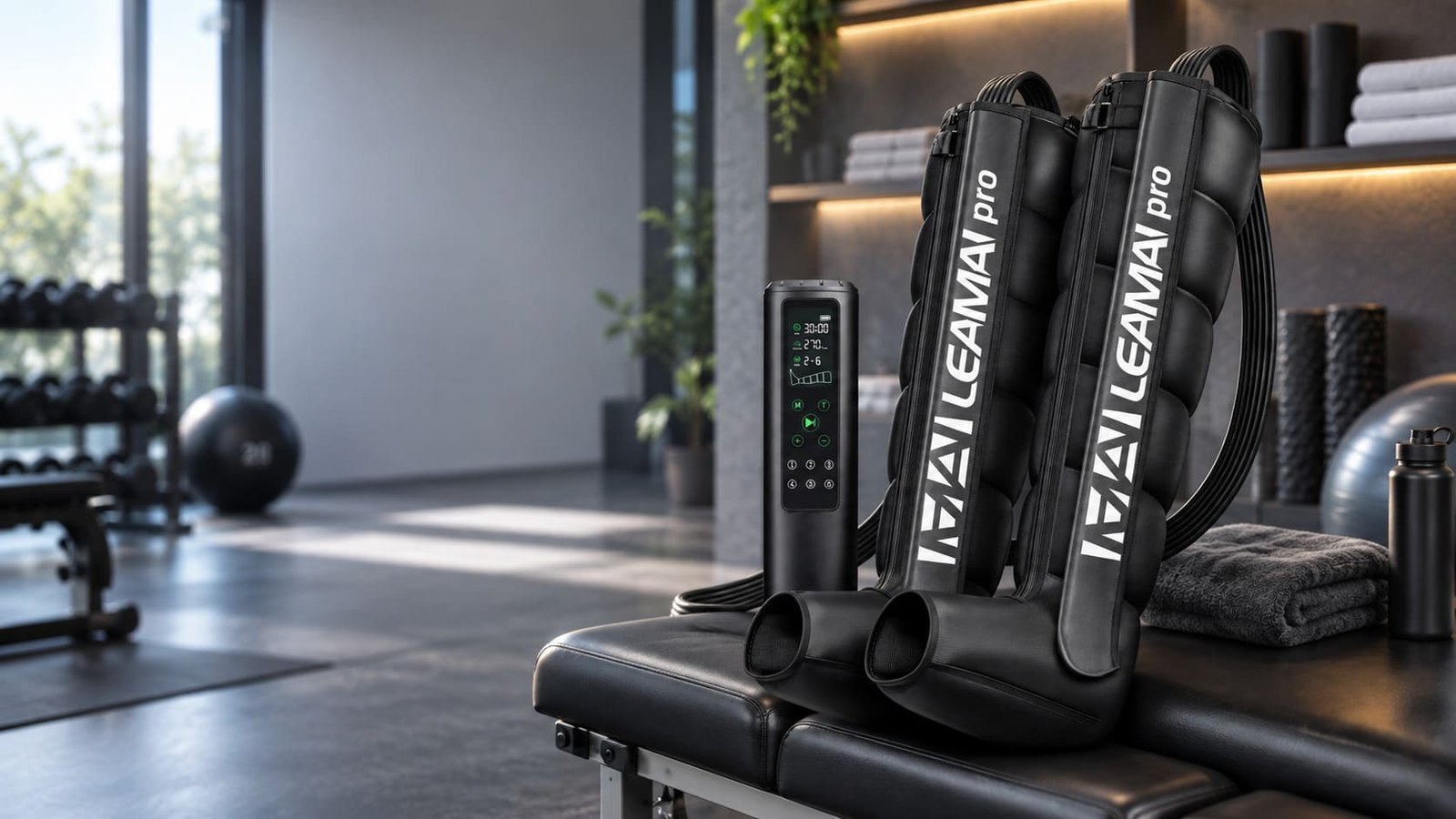
If you've ever shuffled down the stairs the morning after a long run, you've probably wondered about the benefits of compression boots for marathon runners. I talk with half- and full-marathoners regularly, and opinions range from "best purchase ever" to "gathering dust in my closet." So here's my honest take — no hype.
What compression boots actually do for runners
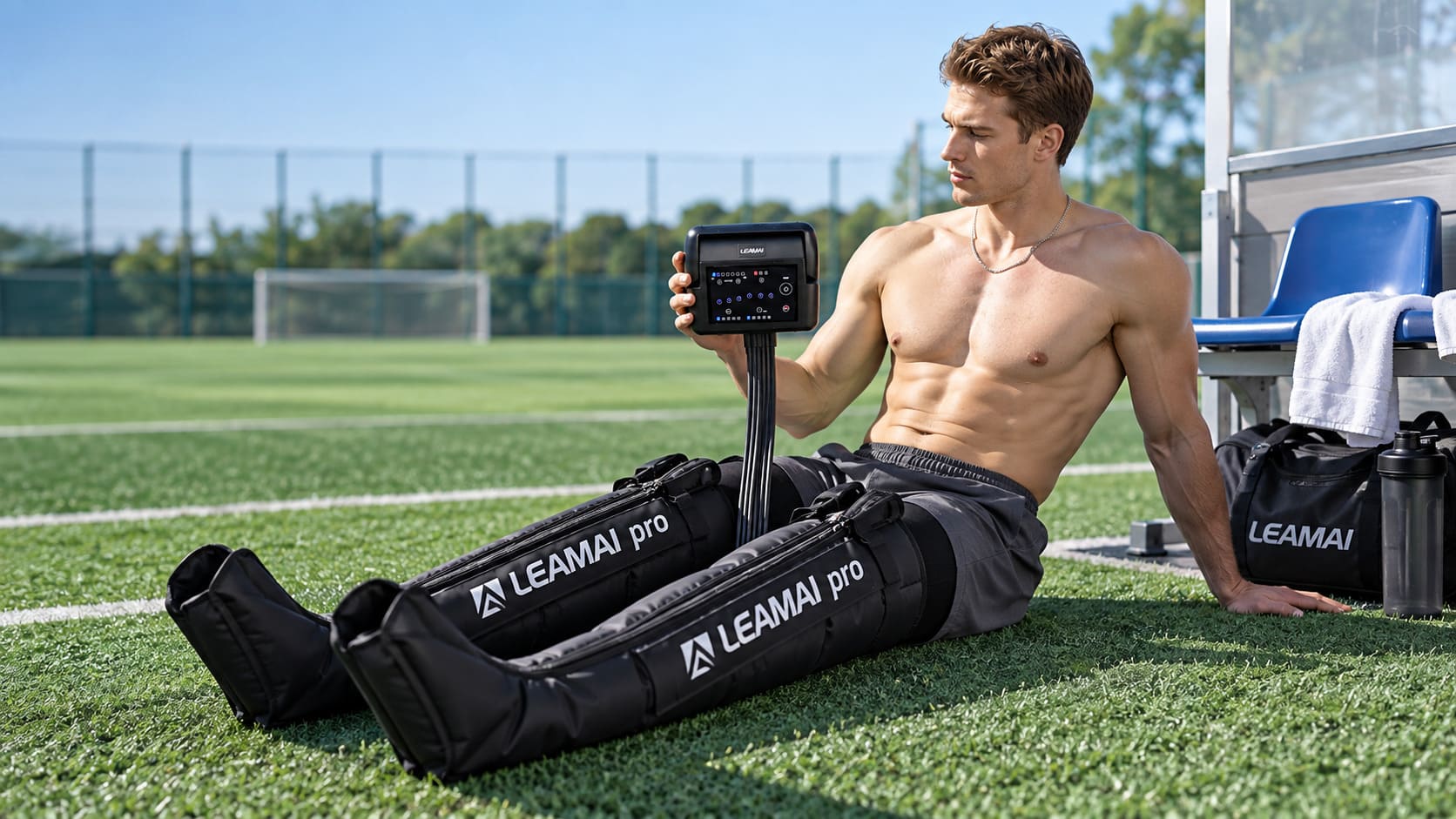
Compression boots inflate and deflate in waves1, giving your legs a rhythmic squeeze. Many runners tell me their legs feel lighter and less "dead" after a 20–30 minute session2, especially during heavy training blocks.
That feedback is real — but let's be clear: it's personal experience, not lab proof. I can't promise you faster recovery, fewer injuries, or a quicker finishing time. What I can say is that as a comfortable post-run ritual, they're genuinely enjoyable.
The most underrated benefit: convenience
Here's the thing. Foam rolling works. Stretching works. A short walk works. But one marathoner told me she uses her boots while answering emails or watching race replays — and that's the real win.
A recovery routine only helps if you actually do it. Boots make that easy.
Higher pressure doesn't mean better recovery
This is the most common mistake I see. More squeeze is not more benefit.3
- Start low and pick a setting that feels snug, not painful
- Fit matters — check the boots match your leg length
- Adjustability beats max specs every time
If a session feels uncomfortable, turn it down. Recovery shouldn't hurt.
When marathon runners should skip compression boots
Not every ache is "normal soreness," and boots aren't for everyone. Please talk to a doctor first if you notice:
- Sharp or worsening pain
- Swelling, warmth, or redness in one leg4
- A history of blood clots, circulation issues, or heart conditions
Compression boots are a comfort tool, not a medical treatment. When in doubt, get checked out.
So, are they worth it?
For most amateur marathoners, compression boots make sense as one thing: an easy, pleasant way to unwind your legs after training. They won't replace sleep, good nutrition, or a smart training plan. But if they help you relax and actually stick to a recovery habit, that's a real benefit in my book.
Thinking about adding a pair to your routine? Focus on fit and adjustable pressure, not the biggest number on the box. And if you want a hand figuring out what suits your needs, drop us a message — I'm always happy to chat recovery.
"Different types of intermittent pneumatic compression devices ...", https://pmc.ncbi.nlm.nih.gov/articles/PMC7100582/. Intermittent pneumatic compression devices are generally described as limb garments that cyclically inflate and deflate to apply external pressure, often in a sequential pattern. Evidence role: definition; source type: encyclopedia. Supports: The source should define intermittent pneumatic compression devices as garments or sleeves that cyclically inflate and deflate to apply external pressure to a limb.. ↩
"Effects of lower-limb intermittent pneumatic compression on ...", https://pmc.ncbi.nlm.nih.gov/articles/PMC11475002/. Studies and reviews of intermittent pneumatic compression after exercise have reported outcome-specific changes in perceived soreness, fatigue, or recovery markers, indicating that subjective relief is plausible in some athletes. Evidence role: general_support; source type: paper. Supports: The source should report research on intermittent pneumatic compression and perceived muscle soreness, fatigue, or recovery after exercise.. Scope note: This supports the plausibility of perceived post-exercise relief, not a guarantee that marathon runners will feel lighter after a specific 20–30 minute session. ↩
"Effects of intermittent pneumatic compression on the recovery ...", https://pmc.ncbi.nlm.nih.gov/articles/PMC10954933/. Research on intermittent pneumatic compression treats pressure, session duration, and treatment protocol as dosing variables, and available exercise-recovery evidence does not establish a simple linear relationship in which higher pressure reliably produces better recovery. Evidence role: mechanism; source type: paper. Supports: The source should discuss pressure, duration, and comfort as variables in intermittent pneumatic compression and whether evidence establishes a linear dose-response relationship for recovery.. Scope note: This supports caution against assuming maximum pressure is optimal; it may not identify a single ideal pressure setting for marathon runners. ↩
"Venous Thromboembolism (Blood Clots) | Venous Thromboembolism ...", https://www.cdc.gov/blood-clots/index.html. Public-health guidance identifies one-sided leg swelling, warmth, redness, and pain as possible signs of deep vein thrombosis, supporting medical evaluation before applying leg compression in that situation. Evidence role: expert_consensus; source type: government. Supports: The source should identify unilateral swelling, warmth, redness, or pain as possible symptoms of deep vein thrombosis or another condition requiring medical evaluation.. ↩
