
Evaluating compression boots for marathon runners often feels overwhelming when you face sore legs after 20-mile long runs. You want fast relief, but flashy marketing promises magic fixes that sound too good to be true. I believe you deserve honest clarity before investing in any recovery gear.
The primary benefits of compression boots for marathon runners include temporary relief from muscle heaviness, reduced perceived post-run soreness, and a dedicated, relaxing routine for tired legs. However, they do not prevent injuries, cure medical issues, or guarantee faster race times. Their main value lies in short-term comfort.
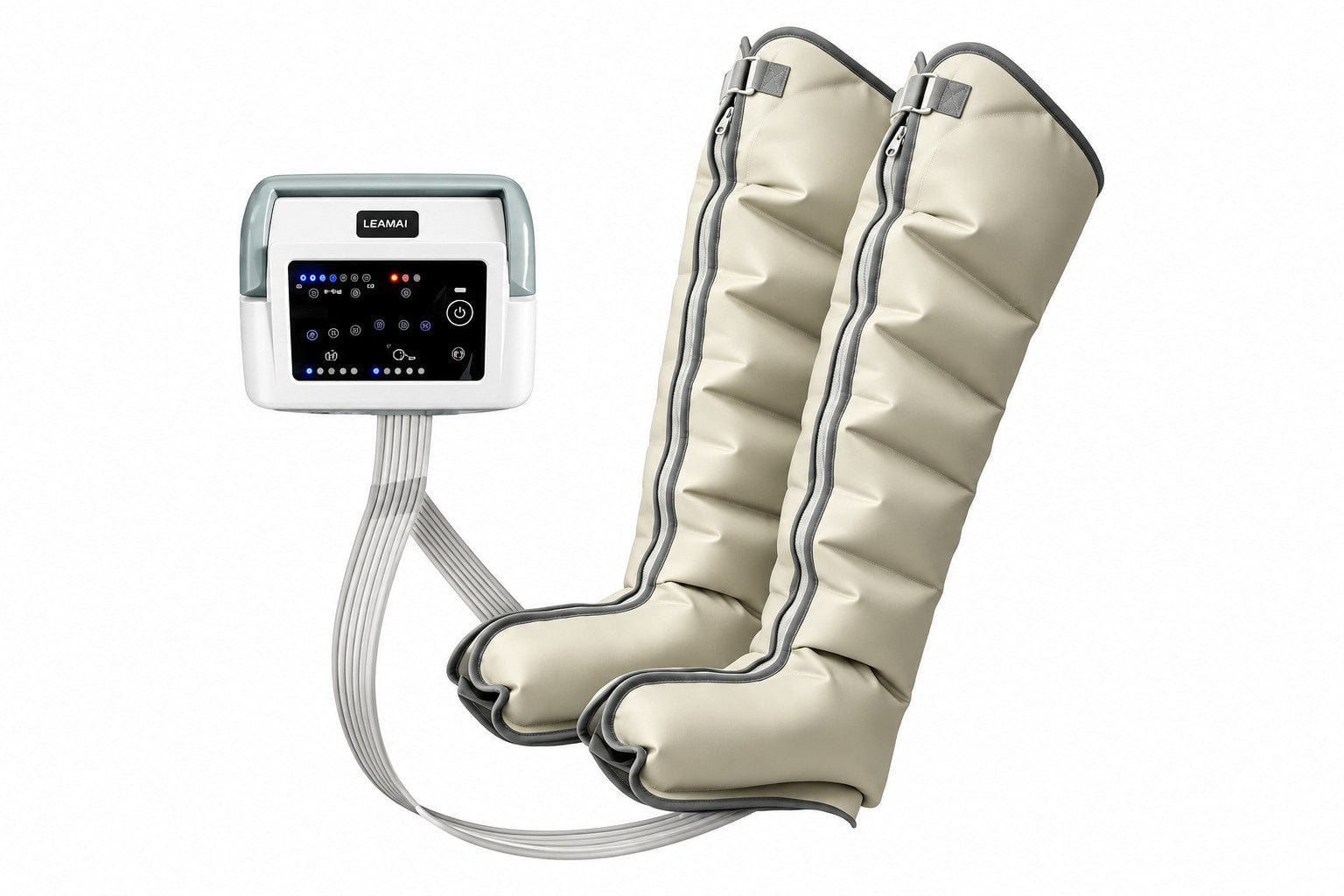
Runners we speak with regularly ask if these pneumatic sleeves truly transform training blocks. Let us break down what user feedback actually proves versus what requires verified external evidence.
Do Compression Boots for Marathon Runners Actually Speed Up Recovery?
Endless training miles leave your calves stiff, leading many to search for quick biological shortcuts. It is frustrating to spend money on recovery tools that fail to deliver tangible performance jumps.
Compression boots do not biologically speed up physiological tissue repair or guarantee faster marathon times. Instead, user feedback shows they offer perceived comfort, mild temporary swelling relief, and psychological relaxation after grueling workouts. Any claims of athletic performance improvements require independent, verified clinical evidence.
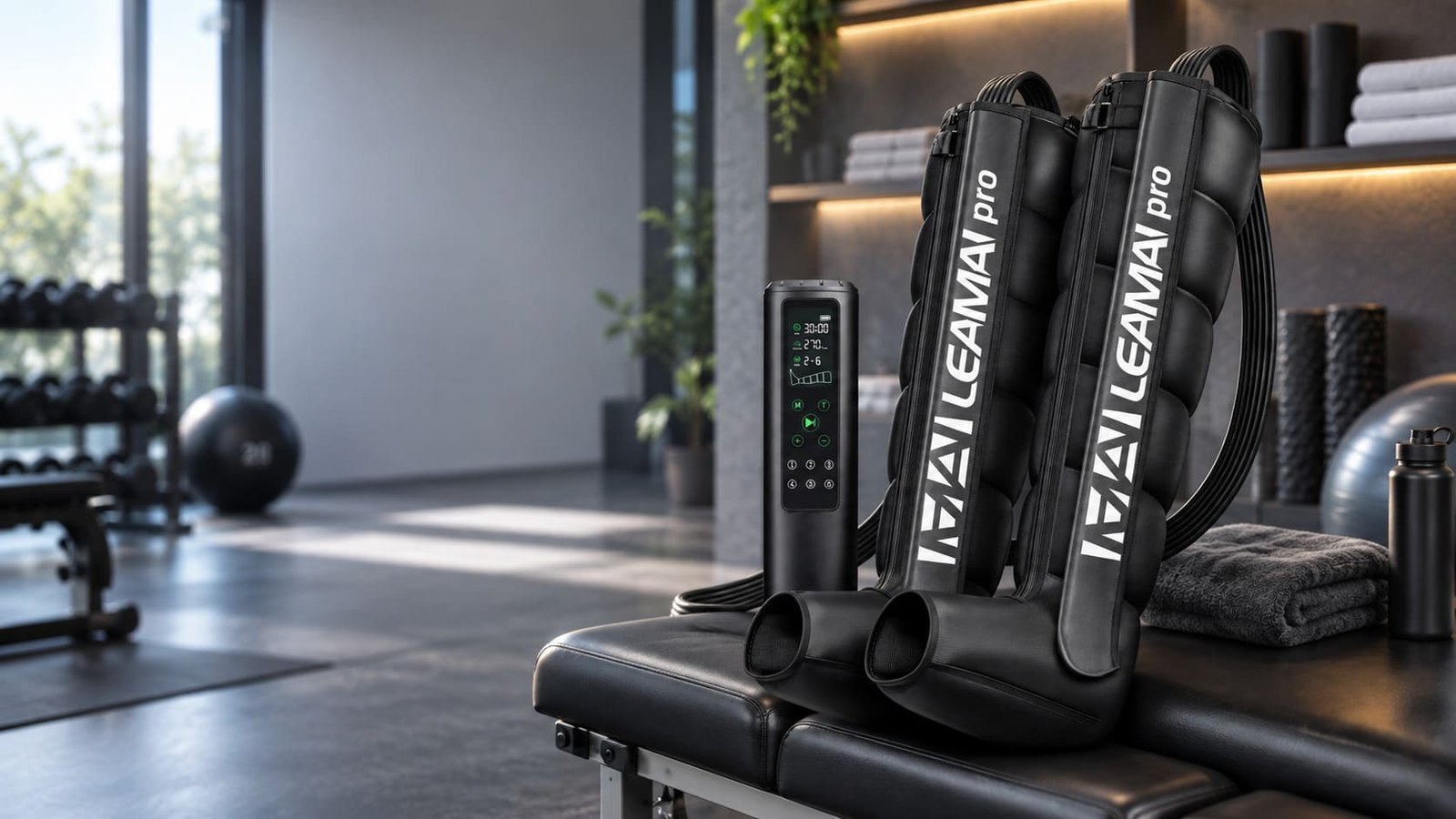
When testing pneumatic recovery systems with trade partners and everyday runners, I always ask athletes to define the specific job they expect the boots to perform. Recurring feedback reveals that runners love the forced stillness and temporary sensation of lighter legs. Yet, subjective comfort is not clinical proof of accelerated healing.
| Expected Outcome | Practical Reality | Evidence Status |
|---|---|---|
| Faster Marathon PRs | No direct speed enhancement | Unproven |
| Relief from Heaviness | Significant perceived comfort | Strong user feedback |
| Injury Prevention | Does not treat muscle strains | Medically unsupported |
"Runner feedback illustrates comfort, but it cannot replace sports science."
In our manufacturing evaluations, we urge retail buyers and athletes to separate personal perception from clinical data. Compression can help move fluid temporarily, but long-term tissue repair takes natural time. Treat these boots as an enjoyable post-run ritual rather than a medical treatment. If you expect them to replace sound sleep, proper nutrition, and sensible mileage progression, you will be disappointed.
Does Higher Pressure in Compression Boots for Marathon Runners Work Better?
Many athletes assume that maximum pressure crushes soreness faster, so they crank devices up to painful levels. Overdoing compression can cause numbness, bruising, and discomfort, ruining your recovery experience.
Higher pressure in compression boots is not inherently better for runners. Clinical comfort, chamber adjustability, proper sleeve fit, and individual pressure tolerance matter far more than reaching maximum mmHg specs. Gentle, consistent dynamic compression provides comfort without straining tissue or nerve pathways.

In product development, I often see amateur runners equate heavy pressure with elite performance. That is a dangerous mistake. Excessive pressure can pinch peripheral nerves and constrict arterial circulation rather than supporting venous return.
Here are key rules when evaluating pressure and safety:
- Prioritize Fit Over Force: Chambers should contour smoothly to your inseam and calf circumference without pinching.
- Target Mild Hugging: You should feel gentle squeezing, never sharp pain or pins and needles.
- Check Contraindications: Never use pneumatic compression if you experience acute deep vein thrombosis (DVT), open wounds, severe neuropathy, or unexplained calf swelling. Always consult a qualified medical professional for persistent leg pain.
Comfort and adjustability ensure long-term compliance. The best setting is simply the one that feels relaxing and easy to tolerate for twenty minutes.
Frequently Asked Questions
Can compression boots prevent running injuries?
No. Compression boots cannot prevent overuse injuries such as stress fractures, tendinitis, or muscle tears. They simply provide temporary relief from everyday muscular fatigue and heaviness after hard workouts.
How often should marathon runners use compression boots?
Most runners use them three to four times weekly for 20 to 30 minutes following long runs or intense speed sessions. Always keep pressure modest to prioritize comfort.
Who should avoid pneumatic compression boots?
Anyone with active blood clots, suspected DVT, acute skin infections, or severe peripheral vascular disease should avoid compression boots unless specifically cleared by a medical doctor.
Conclusion
In summary, the true benefits of compression boots for marathon runners center on post-run relaxation, temporary comfort, and structured recovery downtime. They will not erase training errors, cure injuries, or magically drop minutes from your marathon personal record. Treat pressure with care, listen to your body, and verify all health claims. If you are a brand, distributor, or clinic looking to source reliable, adjustable pneumatic recovery boots for your community, contact our team today to explore certified OEM manufacturing solutions.
